What you eat during perimenopause and menopause can help support your energy, blood sugar, bones, heart, and overall wellbeing. The good news is that it does not need to be complicated, with a few nourishing foods and simple meal habits providing a useful place to begin.
Soy foods: tofu, tempeh, edamame, soy milk, miso.
Ground flaxseed: easy to add to porridge, yoghurt, smoothies, or baking.
Sesame seeds and tahini: useful in salads, dressings, and snacks.
Legumes: lentils, chickpeas, beans, and split peas.
Whole grains: oats, barley, rye, brown rice, and whole wheat.
Nuts and seeds: almonds, walnuts, pistachios, pumpkin seeds, and sunflower seeds.
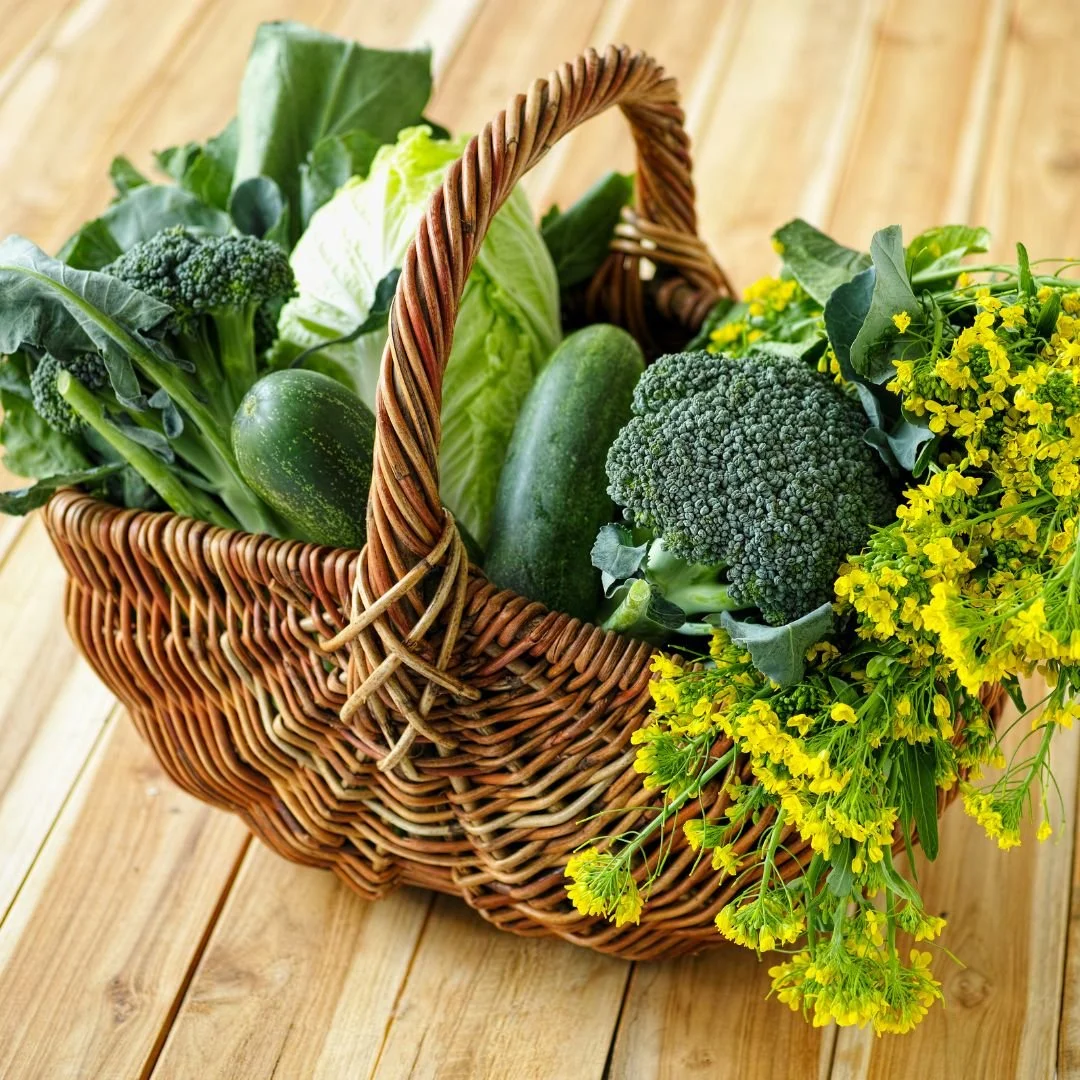
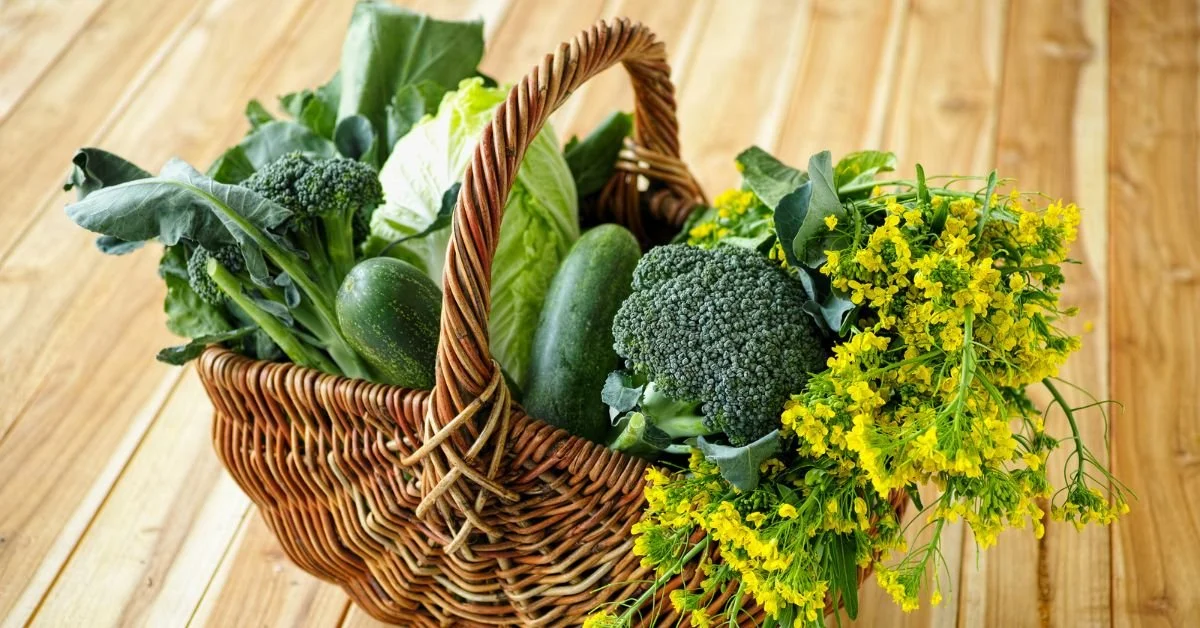
Fruit and vegetables: berries, apples, broccoli, cabbage, kale, and leafy greens.
Fatty fish: salmon, sardines, and other oily fish.
Dairy or calcium-fortified alternatives: yoghurt, milk, or soy products.
Helpful patterns
A useful meal pattern is: protein + high-fibre carbohydrate + colourful vegetables + healthy fat at most meals. This can help with fullness, energy, and steadier blood sugar, while also supporting bone and heart health.
Foods to limit if symptoms flare
Some people find that spicy foods, alcohol, and excess caffeine worsen hot flushes or sleep problems. Highly processed, salty, and sugary foods are also worth limiting for general menopause health.
Easy day example
Breakfast: Porridge with ground flaxseed, berries, and yoghurt.
Lunch: Lentil and vegetable soup with whole grain bread.
Dinner: Salmon, brown rice, and steamed broccoli.
Snack: Edamame, nuts, or hummus with vegetable sticks.
A simple way to think about it is: more plants, enough protein, enough calcium, and fewer triggers.