Skeleton crew: Building strong bones.
What is Osteoporosis?
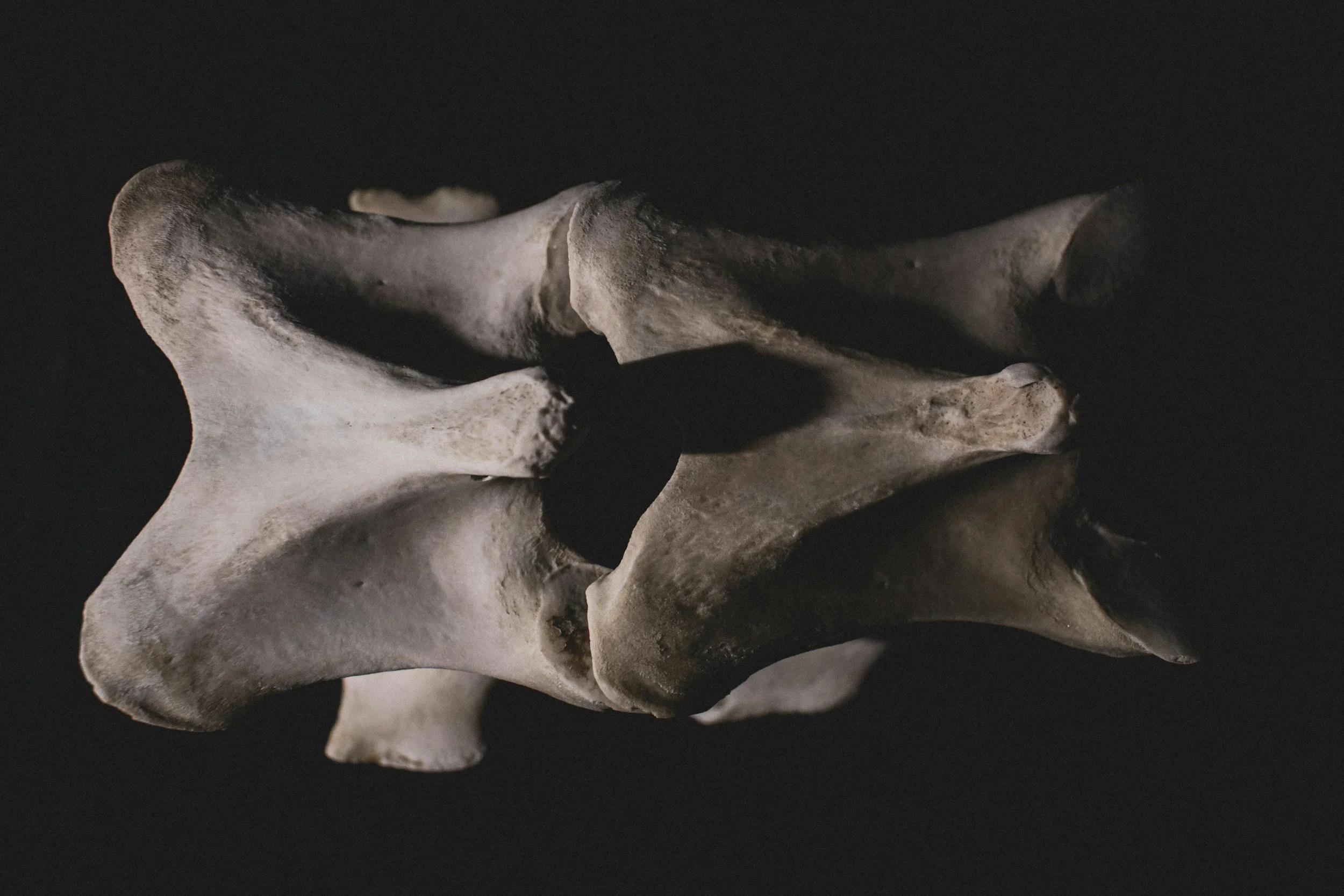
Osteoporosis is a condition that makes bones weak and fragile due to a loss of bone density and breakdown of their internal structure. This happens when the natural balance between the cells that remove old bone and those that create new bone is disrupted. Normally, these processes are balanced, but if bone breakdown happens faster than bone building, such as with hormonal changes or inflammation, bones gradually lose strength.
Consequences
Weaker bones have a much higher risk of breaking, even from minor falls or bumps. Fractures can result in long-lasting pain, reduced movement and independence, and a lower quality of life overall. Hip fractures are especially serious and often lead to a permanent loss of independent living. While wrist and ankle fractures are usually less severe, hip and spine fractures are more likely to cause complications and lengthy recoveries.
Diagnosis and T-score Explanation
Osteoporosis is diagnosed by measuring bone mineral density (BMD) using a special type of X-ray called a DXA scan. This scan measures how dense or strong the bones are, usually focusing on the spine and hip. (WHO diagnostic criteria from 1994)
The results are reported as a T-score, which compares a person’s bone density to that of a healthy young adult of the same sex. The T-score shows how much the bone density differs from this ideal peak bone density.
A T-score of –1.0 or higher means bone density is normal.
A T-score between –1.0 and –2.5 indicates osteopenia, which is mild bone loss and a warning sign.
A T-score of –2.5 or lower means osteoporosis, showing significant bone loss and higher fracture risk.
The T-score helps doctors understand how much bone loss has occurred and guides decisions about treatment and fracture prevention.
Prevalence
In Australia and New Zealand, studies suggest that a large proportion of adults over 50 have either osteopenia or osteoporosis, with women more affected than men, particularly after menopause. These rates increase sharply for those over 70, with nearly half of all women in this age group affected. Research suggests that a substantial proportion of people over 50 are already living with either osteopenia or osteoporosis.
Prevention & Management
Healthy bones can be maintained and fractures prevented with a few key lifestyle measures:
Exercise that includes weight-bearing or strength training,
Eating a balanced diet with enough calcium and vitamin D,
Getting safe amounts of sunlight for vitamin D,
Avoiding smoking and limiting alcohol intake.
Why are cases predicted to rise?
Poor bone health is projected to rise notably over the next decade, largely because more of us are living longer into the age groups where osteoporosis is common.
As the number of older adults grows, so does the group at risk for weak bones and fractures. Many cases are not detected or managed early enough, making the impact greater over time. Low physical activity, poor nutrition, and smoking continue to contribute to rising rates. The result is likely to be more fractures, higher healthcare costs, and a broad reduction in independence and quality of life for many individuals.
Diet:
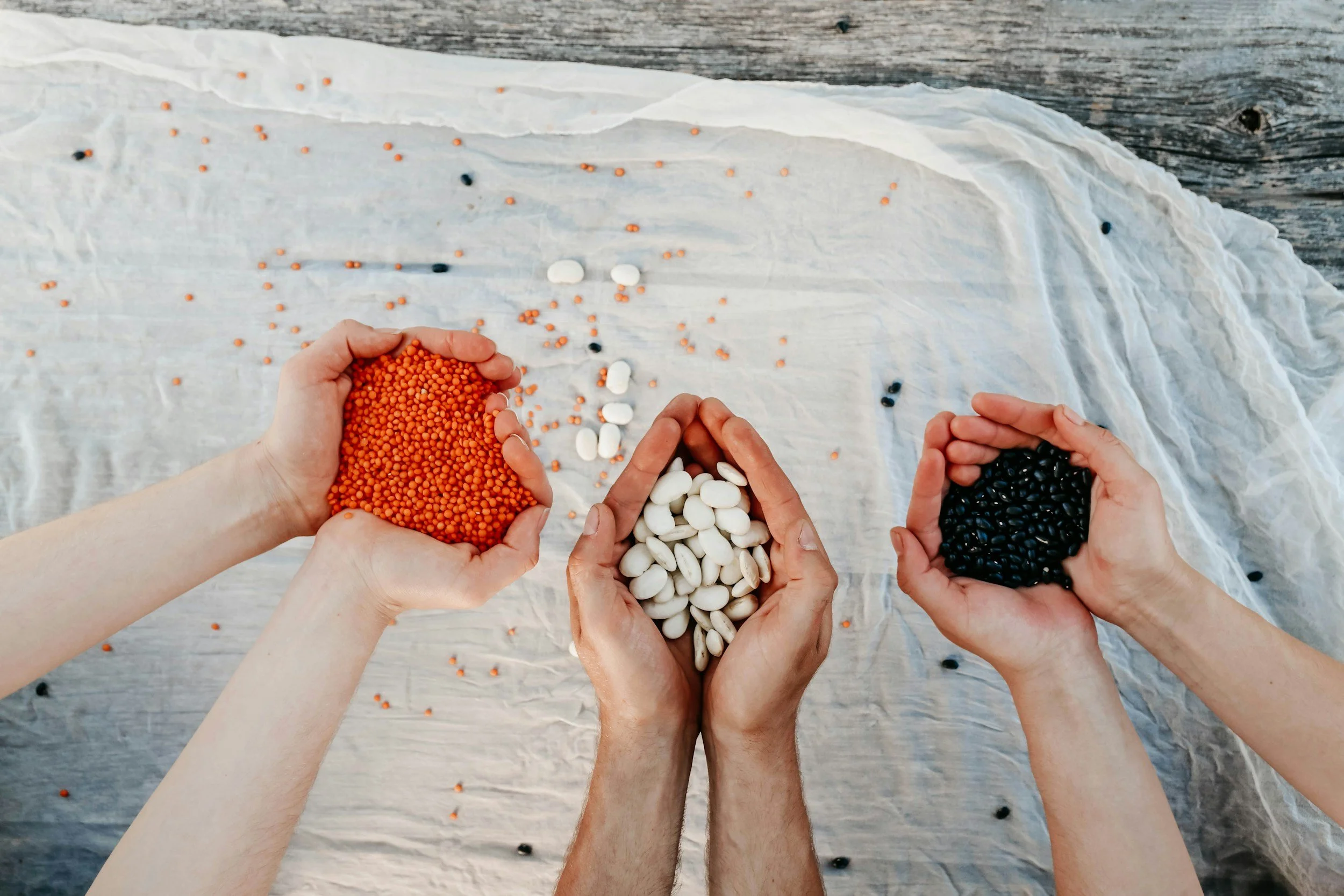
In general, animal proteins, cheeses, many grains, salty processed foods and most legumes are more acid forming, while fruits and vegetables are more alkaline forming. Long-term exposure to an acidic environment without adequate alkaline food intake may induce calcium loss, leading to the decline of BMD and subsequent osteoporosis-related fractures.
Potassium rich foods include: Bananas, Broccoli, Leafy greens, Sweet potato and Unsweetened fruit and vegetable juices.
Magnesium rich foods include: Almonds, Cashews, Spinach, Avocado, Brown rice and Leafy greens.
In my Christchurch practice, clients with early osteopenia often see real improvements through personalised herbal formulas and simple dietary shifts.
Concerned about your bone health? Reach out - we’d love to help you get started!