When SIBO, histamine and oestrogen overlap and what you should know!
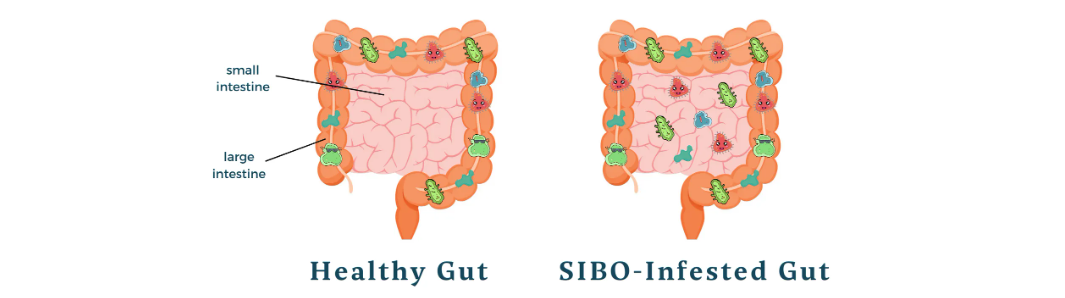
SIBO stands for small intestinal bacterial overgrowth. Put simply, bacteria that usually live in larger numbers in the colon have increased in the small intestine. This can contribute to bloating, tummy discomfort, changes in bowel habits and a feeling of reacting to foods more easily.
SIBO can matter for histamine symptoms in two ways.
First, some gut bacteria make histamine themselves. They convert histidine—an amino acid found in protein foods—into histamine. If these bacteria become more abundant, they can add to the histamine already coming in from food.
Second, DAO (diamine oxidase) is the gut’s main histamine clean-up enzyme. It works in the intestinal lining to break histamine down before too much is absorbed. If the gut lining is irritated or inflamed, DAO may have less capacity to keep up.
Thirdly, add oestrogen. Oestrogen can influence mast cells—the immune cells that release histamine. So when hormones are fluctuating, some people find skin flushing, headaches, itching, bloating or digestive symptoms are more easily triggered.
This does not mean oestrogen is “the problem,” or that everyone with these symptoms has a histamine issue. It simply means hormones, gut bacteria and DAO can all influence the same delicate balance. For some, SIBO may increase histamine in the gut while hormonal changes make mast cells more responsive—creating conditions where symptoms are more likely to flare.
What it can feel like.
When histamine, gut health and hormones overlap, you might notice:
Flushing, warmth or itching.
Headaches or migraine-like symptoms, especially at certain points in your cycle.
Bloating that feels out of proportion to what you have eaten.
Cramping, loose stools, urgency or IBS-like patterns.
Nausea, reflux-like symptoms, or reacting to foods you used to tolerate.
Because these symptoms can also occur with IBS, coeliac disease, food intolerances and other conditions, it is best not to self-diagnose from a symptom list. A careful history, appropriate testing and a structured food trial are more helpful than guesswork.
A practical way forward.
A short, supervised reduction in higher-histamine foods may help you see whether histamine is part of the picture. But if SIBO, gut irritation or hormonal patterns are also involved, the aim is not to avoid more and more foods. It is to support the underlying balance—gut function, DAO capacity, hormone patterns and overall inflammatory load.
Foods most often higher in histamine tend to be aged, fermented, cured, smoked, canned or stored for longer. Histamine levels can vary a lot depending on freshness, processing and storage, so these are guides rather than strict rules.
Common higher-histamine foods.
Aged cheeses: Parmesan, cheddar, blue cheese, brie, camembert, gouda and feta.
Fermented foods and drinks: Sauerkraut, kimchi, kombucha, miso, tempeh, yoghurt, kefir and sour cream.
Alcohol: Especially red wine, beer, champagne and cider.
Cured, smoked or processed meats: Salami, chorizo, ham, bacon, sausages and beef jerky
Fish and seafood: Particularly canned, smoked or semi-preserved fish such as tuna, sardines, mackerel, anchovies and herring; shellfish can also be relevant.[
Pickled and tinned foods: Pickles, vinegar-containing foods and tinned products.
Some plant foods: Tomatoes, spinach, eggplant, bananas, citrus fruits, strawberries, pineapple and avocado are often included on low-histamine diet lists, although some act more as “histamine liberators” than being high in histamine themselves.
Leftovers and long-stored foods: Histamine can continue to form during storage, which is why freshness and prompt refrigeration or freezing matter.
A useful distinction
Some foods are histamine-rich, while others may encourage histamine release or interfere with histamine breakdown. Tea, strawberries and alcohol are often placed in the latter group, which is why low-histamine diets can look broader than simply avoiding fermented foods.
For someone exploring this, the aim is not to avoid every food on the list forever. A short, supervised trial followed by careful reintroduction helps identify personal tolerance while keeping the diet as varied and nourishing as possible.
“When the gut, hormones and histamine are all talking at once, the aim is not to silence the conversation—but to help everyone speak more kindly.”